Pressure Cup Method - Application:
The Pressure Cup Method presented in ISO 2811-4:1997 "Paints and varnishes - Determination of density - Part 4: Pressure cup method," is a standardized Test Method for measuring the density of liquids, particularly paints and varnishes.
Materials and Equipment:
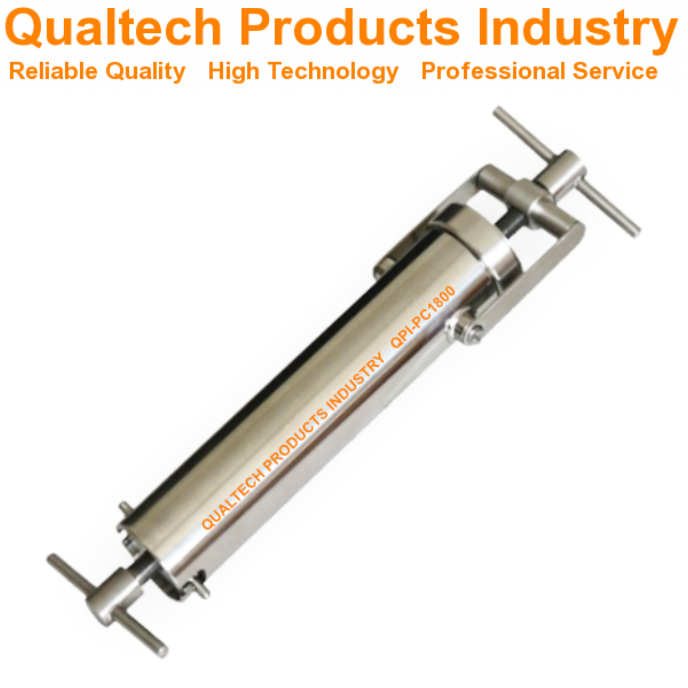
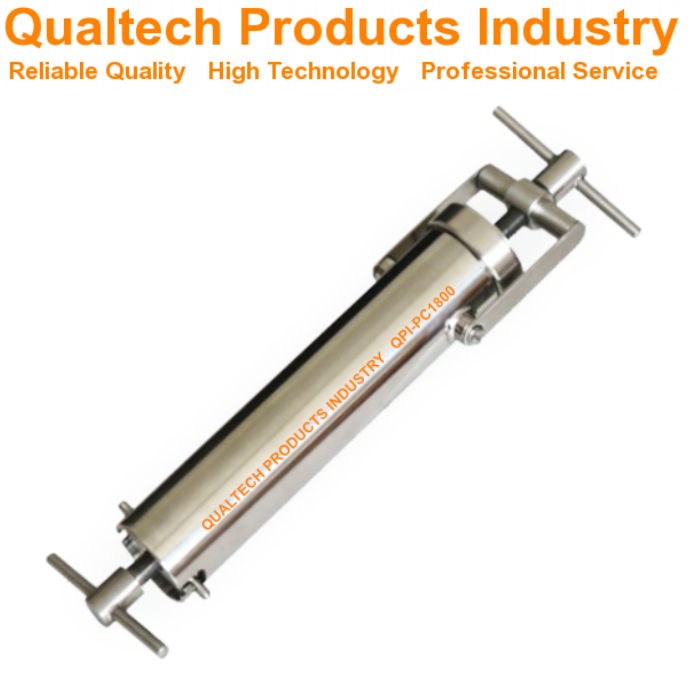
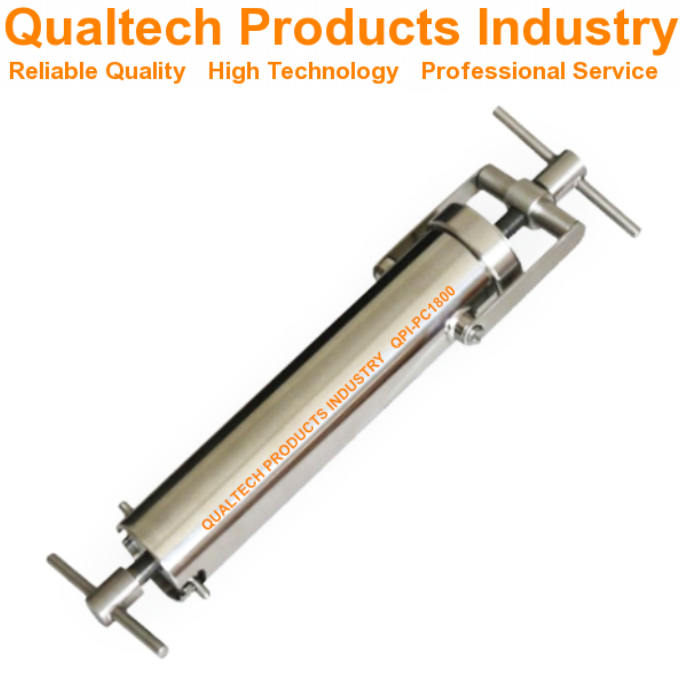
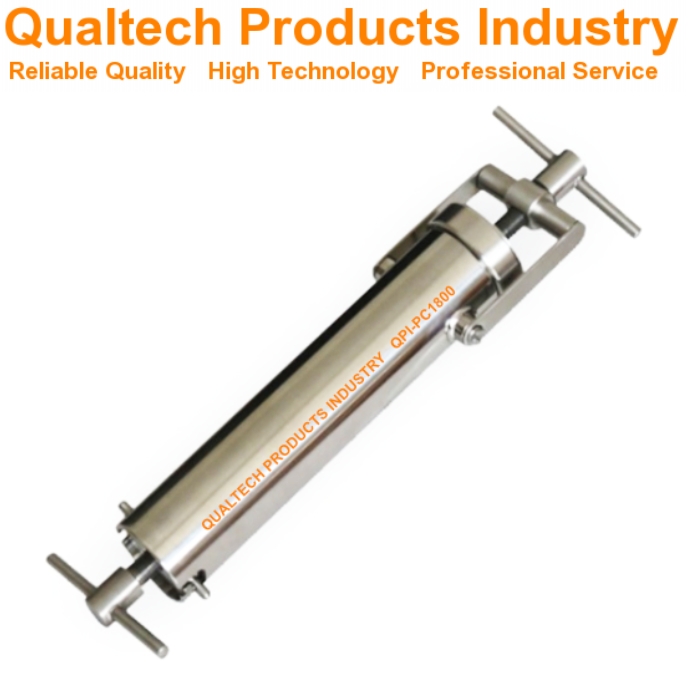
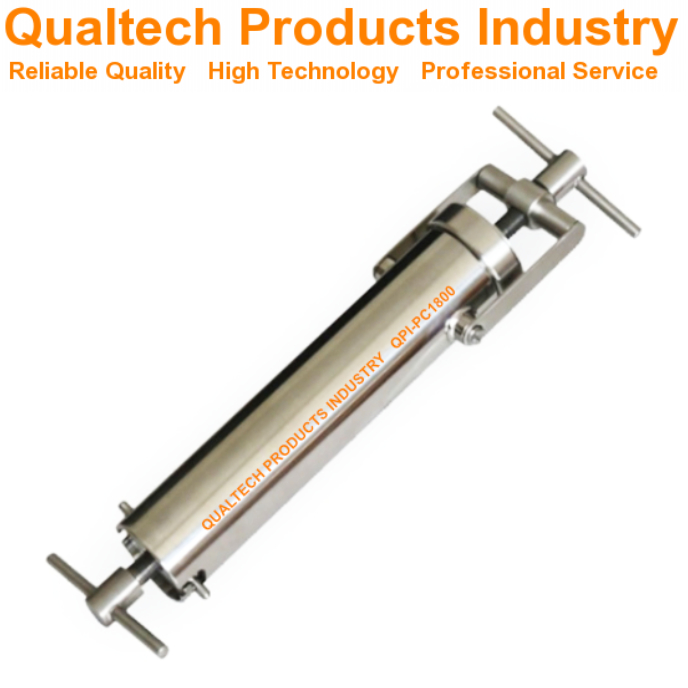
- Pressure Cup QPI-PC1800: The Pressure Cup QPI-PC1800 is the specialized instrument designed for this specific test method. It is precision engineered and consists of a Stainless Steel Cup Body, a Stainless Steel Lid with a high-quality Pressure Release Mechanism and a calibration collar.
- Distilled or deionized water: The purified water is used for the initial calibration step.
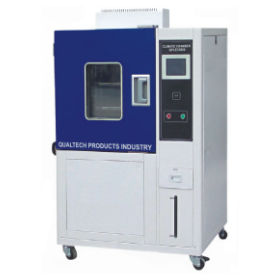
- Environmental Chamber QPI-EC: De Pressure Cup QPI-PC1800 and Sample Liquid are maintained at a specific temperature throughout the high-precision sample measurement.
- Thermometer: An accurate thermometer is required to monitor the temperature of the water and Sample Liquid.
- Balance: De Analytic Balance QPI-120PS is used to weigh the empty Pressure Cup QPI-PC1800 and again later the Pressure Cup QPI-PC1800 filled with the Sample Liquid.
Pressure Cup Method - Preparations:
- Cleaning and Drying: Ensure the Pressure Cup QPI-PC1800 is clean and completely dry before starting the measurement.
- Pre-heating the Environmental Chamber QPI-EC: Set the Environmental Chamber QPI-EC to the required test temperature, usually 23°C as specified in the standard.
Calibration with Water:
- Fill with Water: Almost completely fill the Pressure Cup QPI-PC1800 with previously boiled distilled or deionized water that has cooled to slightly below the test temperature, usually around 1°C cooler.
- Secure the Lid: Tightly secure the Lid of the Pressure Cup QPI-PC1800.
- Place in Environmental Chamber QPI-EC: Plaats de Pressure Cup QPI-PC1800 filled with water inside the Environmental Chamber QPI-EC and allow it to equilibrate to the test temperature.
Pressurization and Calibration:
- Compress Water: Once at the test temperature, use the reliable Screw Mechanism van de Pressure Cup QPI-PC1800 to compress the water inside. Continue turning the screw until the calibration collar stops moving further. This ensures a consistent level of compression for the calibration step.
- Weight measurement: Verwijder voorzichtig de Pressure Cup QPI-PC1800 from the chamber and weigh it on the precision Analytical Balance QPI-PS120 and record this weight (M1).
Sample Measurement:
- Empty and dry: Empty the water from the Pressure Cup QPI-PC1800 and ensure it is completely dry.
- Fill with Sample Liquid: Carefully fill the Pressure Cup QPI-PC1800 with the Sample Liquid, for example, paint, varnish or other Sample Liquids. Ensure the Pressure Cup QPI-PC1800 is filled to the same level as with the water during the calibration.
- Repeat pressurization: Repeat steps to pressurize the Pressure Cup QPI-PC1800 with the Sample Liquid and record the weight after removing it from the Environmental Chamber QPI-EC.
Calculations:
The density (ρ) of the test liquid is calculated using the following formula:
ρ = (M2 - M1) / (Volume of the cup x (1 - ρ_water))
M1 = Weight of the pressure cup filled with water
M2 = Weight of the pressure cup filled with test liquid
Volume of the Cup = This value is typically provided by the pressure cup manufacturer.
ρ_water = Density of water at the test temperature (consult a reference table for the specific value).
De Pressure Cup Method ISO 2811-4 determines the density of various liquids, including paints and varnishes.



















 English
 Danish
 Dutch
Dutch Finnish
 French
 German
 Greek
Greek Irish
Irish Italian
 Luxembourgish
 Norwegian
 Norwegian
 Portuguese
 Scottish Gaelic
 Spanish
 Welsh
Welsh