






Produktbeschreiwung:
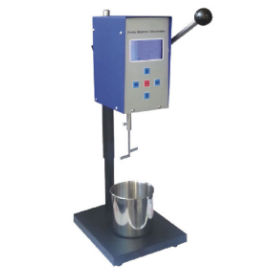
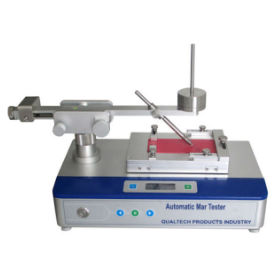
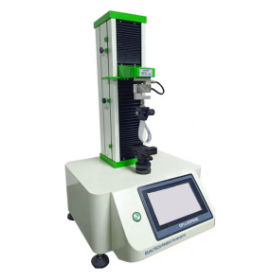
Qualtech Produkter Industrie Duerchdréchnungs-Zoustandstester ass eng Präzisioun Trockenzoustandstester an Trocknungszäit-Tester fir ze bestëmmen Duerchdréchnungszoustand vun Beschichtungen, Faarwen, Lack a verbonne Proben.
Déi Duerchdréchnungs-Zoustänn-Test bestëmmt de aktuellen Dréchent-Zoustand an de aktuellen Dréchent-Staat vun eenlagëge Beschichtungen an mëttel- a méi-lagëge Beschichtungen a spezifizéiert, ob eng Beschichtung oder e Lackfilm de erreecht huet Duerchdréchnungspunkt no enger spezifizéierter Dréchentzäit. Zousätzlech, d' Duerchdréchnungszoustand kann och ugewannt ginn, fir d'Zäitdauer ze moossen, déi e Beschichtungssystem brauch, fir ze erreechen Duerchdréchnungszoustand.
Dëse professionelle Beschichtungs-Duerchdréchnungs-Zoustandstester ass entworf a konstruéiert a bitt e soliden an ergonomeschen Edelstol-Stand, e präzis konstruéierten Edelstol-Zylinderkopf, eng Gummischoss, e präzis konstruéierten Netz, eng benotzerfrëndlech Uwendung, eng benotzerfrëndlech Probenhandhabung, eng zouverlässeg Leeschtung, en ergonomeschen Design an vill méi.
Dëse professionelle Testapparat fir d'Duerchdréchen vum Lack ass entworf a konstruéiert am Aklang mat internationalen Testnormen, dorënner:

Duerchdréchnungs-Zoustandstester - Uwendung:
Déi Duerchdréchnungs-Zoustänn-Test bestëmmt de aktuellen Dréchent-Zoustand an de aktuellen Dréchent-Staat vun eenlagëge Beschichtungen an mëttel- a méi-lagëge Beschichtungen a spezifizéiert, ob eng Beschichtung oder e Lackfilm de erreecht huet Duerchdréchnungspunkt no enger spezifizéierter Dréchentzäit. Zousätzlech, d' Duerchdréchnungszoustand kann och ugewannt ginn, fir d'Zäitdauer ze moossen, déi e Beschichtungssystem brauch, fir ze erreechen Duerchdréchnungszoustand.

Professional Through Dry State Tester QPI‑SST1800 - Funktiounen:
Déi QPI‑SST1800 Through Dry State Tester is a precision laboratory instrument designed to evaluate the drying condition of liquid coatings, inks, and paint films. It provides a controlled and repeatable way to determine when a coating has reached the “through‑dry” condition — the point at which the film can resist deformation or transfer under defined contact pressure.
Both ASTM an ISO define procedures for assessing drying behavior. The QPI‑SST1800 is engineered to support these procedures with stable mechanics, consistent pressure application, and a clean test geometry that eliminates operator variability.
1. ASTM Through‑Dry Evaluation Method - General Principles
ASTM drying‑state evaluations typically focus on how a coating responds to mechanical contact, pressure, or surface disturbance at defined intervals. While different ASTM standards address specific coating types, the underlying engineering principle is consistent:
ASTM Method Concept
A coated test panel is prepared using a controlled application method.
The panel is conditioned under defined environmental parameters (temperature, humidity, airflow).
A standardized contact element — often a weight, pad, or probe — is applied to the coating surface.
The response of the coating is observed:
Transfer
Imprint
Surface disruption
Elastic recovery
The coating is considered “through‑dry” when the applied contact no longer causes visible deformation or material transfer.
How the QPI‑SST1800 Supports ASTM Procedures
Precision vertical loading system ensures repeatable pressure.
Stable test platform eliminates vibration and lateral movement.
Controlled contact geometry prevents edge effects.
Adjustable dwell time allows engineers to match ASTM timing intervals.
High‑accuracy alignment ensures consistent contact area across multiple tests.
The QPI‑SST1800 provides the mechanical consistency required for ASTM‑aligned drying evaluations, making it suitable for R&D labs, QC departments, and coating development facilities.
2. ISO 9117‑1 Through‑Dry Test Method
ISO 9117‑1 is a widely used international procedure for determining the through‑dry state of organic coatings. Unlike mesh‑based coating tools, ISO 9117‑1 does not use mesh screens. The method relies on gauze (cotton fabric) and controlled contact pressure.
ISO 9117‑1 Method Concept
A coating is applied to a substrate using a defined application technique.
After a specified interval, a gauze pad is placed on the coating surface.
A standardized weight is applied on top of the gauze for a defined time.
The gauze is removed and inspected for:
Adhäsioun
Sticking
Transfer of coating material
The coating is considered “through‑dry” when the gauze lifts cleanly without sticking or leaving marks.
Why Gauze Is Used instead of Mesh
Gauze provides a soft, absorbent, compliant contact surface.
It simulates real‑world handling conditions.
Mesh would create point‑pressure artifacts and is not part of the ISO method.
How the QPI‑SST1800 Supports ISO 9117‑1
Calibrated weight system matches ISO pressure requirements.
Perfectly level test bed ensures uniform contact across the gauze.
Smooth vertical motion prevents premature shear forces.
Clean removal path allows accurate evaluation of sticking or transfer.
High‑precision timing control supports ISO dwell periods.
The QPI‑SST1800 is engineered to deliver ISO‑compliant repeatability, making it ideal for laboratories that require traceable and internationally recognized drying‑state verification.
3. Engineering Advantages of the QPI‑SST1800
High‑Stability Construction
The tester uses a rigid stainless‑steel column and a vibration‑free base to ensure consistent pressure application.
Optimized Contact Mechanics
The loading system is designed to apply force vertically without lateral drift, eliminating false readings.
Laboratory‑Grade Materials
All contact surfaces are made from corrosion‑resistant alloys to maintain long‑term dimensional accuracy.
Operator‑Friendly Workflow
Quick panel placement
Smooth weight handling
Clear visual inspection zone
Easy cleaning and gauze replacement
Déi Professional Through Dry State Tester QPI‑SST1800 provides engineers with a reliable, repeatable, and standards‑aligned solution for evaluating the drying condition of coatings. Whether following ASTM drying principles oder de ISO 9117‑1 gauze‑based through‑dry test, the instrument delivers stable mechanics, precise pressure control, and consistent results that support both research and industrial quality assurance.

Duerchdréchnungszoustand Tester - Funktiounen:
- Neiste Design
- Professionellt Test vum Duerchdréchen am rouege Zoustand
- Solide & ergonomescht Edelstol-Stativ
- Präzisiounsgeplangte Edelstol-Zylinderkopf
- Gummiskive
- Präzisiounsgeplangte Masch
- Benotzerfrëndlech Uwendung
- Benotzerfrëndlech Probenhandhabung
- Zouverlässeg Leeschtung
- Ergonomescht Design
- Geméiss internationalen Testnormen entwéckelt, dorënner ISO 9117-1

Duerchdréchnungs-Tester fir Faarf - Spezifikatiounen:
| Modell | QPI-STT1800 |
|---|---|
| Neiste Design | Jo |
| Professionellt Test vum Duerchdréchen am rouege Zoustand | Jo |
| Duerchmiesser vum Zylinderkopf | 25 Millimeter |
| Gewiicht vun der Stud-Montage | ≥250g |
| Gewiicht vun der Kappversammlung | 1500 ±10g |
| Duerchmiesser vun der Gummiplack | 22 ±1mm |
| Dicke vun der Gummischossel | 5 ±0,5 mm |
| Häertheet vun Gummidisc | 50 ±5 IRHD |
| ISO Test Fabric Size | 100mm x 100mm |
| ISO Test Fabric Material | Polyamid-Monofilament |
| ISO Monofilament Diameter | 0,12 ± 0,01 mm |
| ISO Fabric Aperture | 0,2 mm |
| Eifach Botzsystem | Jo |
| Benotzerfrëndlech Uwendung | Jo |
| Benotzerfrëndlech Probenhandhabung | Jo |
| Héich Genauegkeet & Héich Präzisioun | Jo |
| Zouverlässeg Leeschtung | Jo |
| Ergonomescht Design | Jo |
| Spannung | 100VAC - 240VAC 50Hz/60Hz |
| Geméiss internationalen Testnorme entwéckelt | |
Beschichtungs-Duerchdréchnungs-Zoustandstester – Abegraff Saachen:
- Beschichtungs-Duerchdréchnungs-Zoustandstester
- Zousätz
- Qualitéitszertifikat
- Virsiichteg kalibréiert
- Kalibrasiounszertifikaat
- Benotzerhandbuch
- Erweidert Garantie
Kritt elo Informatiounen iwwer Produkter, Präisser, techneschen Support a professionnell Déngschter.
Ee vun eise Spezialisten wäert kuerz op Är Ufro äntweren. Alternativ kontaktéiert eis iwwer d'Firma-Informatiounen an den USA, an Australien oder am Vereenegte Kinnekräich.














 English
 Danish
 Dutch
 Finnish
 French
 German
 Greek
 Irish
 Italian
 Luxembourgish
 Norwegian
 Norwegian
 Portuguese
 Scottish Gaelic
 Spanish
 Welsh